AI & Remote Sensing for Environmental Monitoring
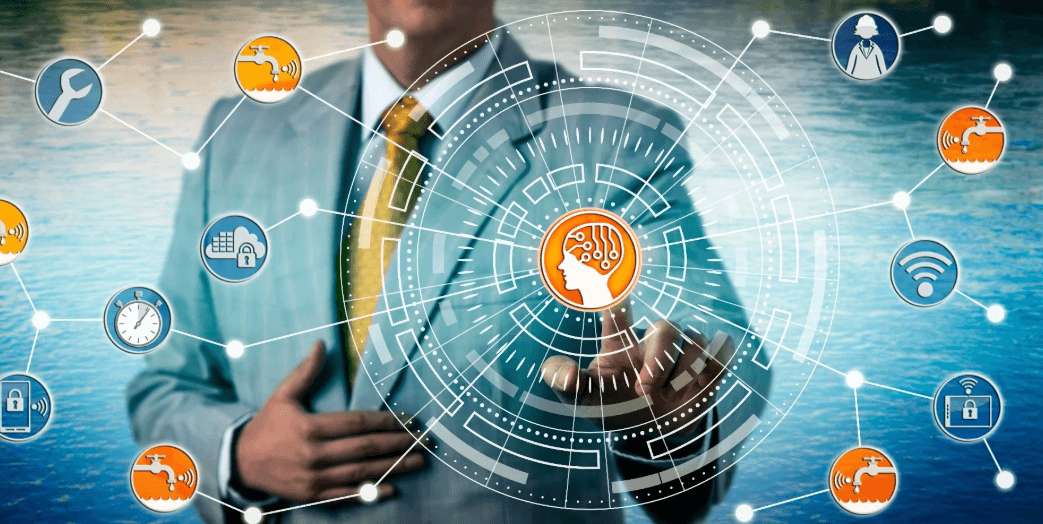
The integration of AI and remote sensing technologies has transformed environmental monitoring. These innovations enhance the collection and analysis of ecological data, enabling precise identification of patterns and predictions of ecological changes. By employing machine learning algorithms, stakeholders can now conduct detailed biodiversity mapping and habitat assessments. However, the implications of these advancements on sustainable practices and conservation efforts remain to be fully explored. What are the potential challenges and future applications in this evolving field?
The Role of AI in Environmental Data Analysis
As environmental challenges intensify, the integration of artificial intelligence (AI) into data analysis emerges as a pivotal advancement in monitoring ecosystems.
Machine learning algorithms enhance predictive capabilities, allowing for the identification of patterns in vast datasets.
Furthermore, data visualization techniques facilitate the communication of complex information, enabling stakeholders to make informed decisions that support environmental sustainability and promote ecological freedom.
See also: Deep Learning for Signal Processing & Sensors
Advancements in Remote Sensing Technologies
The evolution of remote sensing technologies has significantly enhanced the capacity for environmental monitoring, complementing the advancements in AI-driven data analysis.
Innovations in satellite imagery provide high-resolution data, while sensor fusion techniques integrate information from multiple sources, improving accuracy and detail.
These advancements empower researchers and policymakers to make informed decisions, fostering a deeper understanding of environmental changes and promoting sustainable practices.
Case Studies: AI and Remote Sensing in Action
Case studies illustrate the transformative impact of AI and remote sensing on environmental monitoring.
For instance, AI algorithms have been employed to analyze urban heat patterns, enabling city planners to devise effective mitigation strategies.
Additionally, remote sensing technologies have advanced biodiversity mapping, facilitating the identification of critical habitats and species distributions.
These applications underscore the potential of integrated approaches in addressing pressing environmental challenges.
Conclusion
The integration of AI and remote sensing technologies significantly enhances environmental monitoring, enabling precise data collection and analysis. Notably, a study revealed that machine learning algorithms can improve land cover classification accuracy by over 30%, facilitating better ecological predictions and resource management. As stakeholders increasingly rely on these advanced tools, the potential for informed decision-making grows, ultimately promoting sustainability and conservation efforts. This evolution underscores the importance of continued investment and research in these transformative technologies for environmental stewardship.